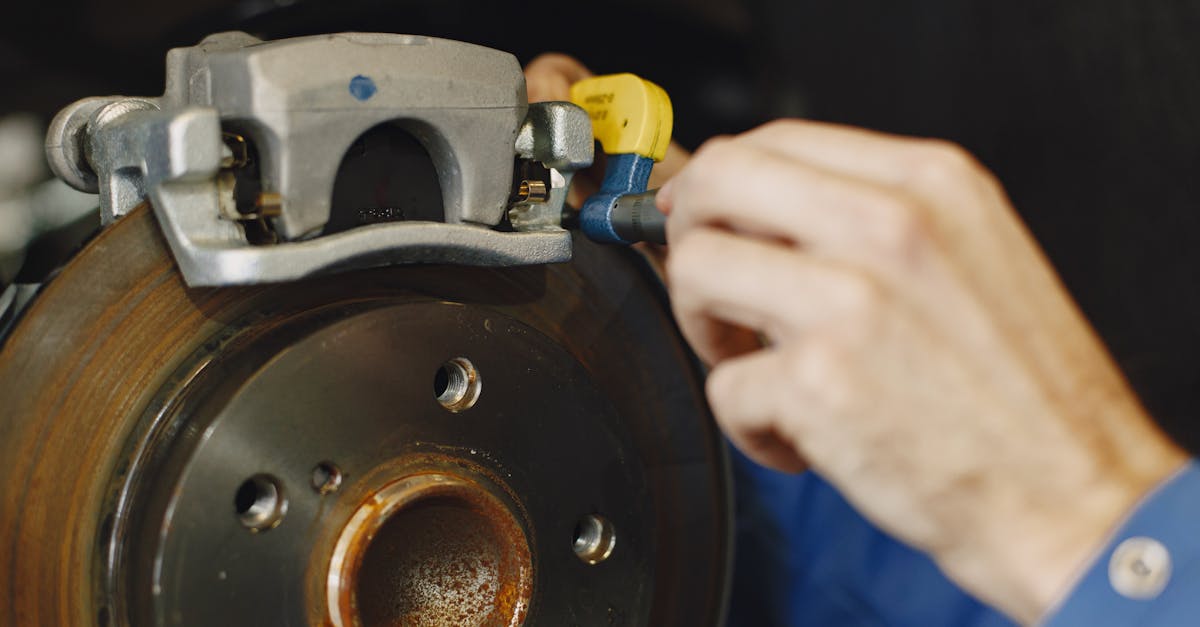
A car can feel normal under gentle braking yet respond less decisively when traffic suddenly slows. Brake pads are replaceable friction blocks that clamp the discs and turn movement into heat, allowing the tyres to slow the car. If the lining is depleted or damaged, an emergency stop can use more road even when everyday braking seems acceptable.
How Wear Stays Hidden
Modern brakes can compensate for gradual pad wear, so the pedal may continue to feel familiar. Pad thickness alone does not make every stop longer, but very thin pads send more heat into surrounding components and leave less tolerance for repeated hard braking. That loss of reserve matters when several firm stops are needed close together.
Glazed surfaces, contamination or uneven wear from a sticking caliper can reduce friction before the lining looks fully spent. Frequent short journeys, heavy loads and stop-start driving may accelerate deterioration. On wet autumn roads, where the tyres already have less grip available, any drop in brake performance becomes more significant.
Five-Minute Brake Checks
These checks can reveal possible trouble without removing a wheel. Park safely, let the brakes cool and treat anything difficult to see or judge as a reason for a proper inspection.
- Look for a brake-pad warning symbol, remembering that not every car has wear sensors.
- At low speed, listen for repeated squealing, scraping or grinding while braking gently.
- Look through the wheel spokes for the pad lining beside the disc. If it appears only a few millimetres thick, uneven or unclear, arrange an inspection.
- Notice whether the car pulls or judders, or whether stopping requires greater pedal pressure.
When Replacement Is Due
There is no dependable replacement interval. Pads may last roughly 30,000–80,000 kilometres, but vehicle weight and driving conditions make mileage a poor guide by itself. Inspection during routine servicing is more reliable, especially when warning signs have appeared or the visible lining is hard to assess.
A straightforward pad replacement often takes around one to two hours and may cost about €120–€300 per axle, meaning both front or both rear wheels. Damaged discs, seized calipers or model-specific parts can increase the time and bill considerably. DIY work should go no further than observation without suitable lifting equipment, torque information and brake experience.
Grinding, a suddenly soft pedal or clearly reduced braking means further driving should be kept to a minimum and professional attention sought promptly. Acting while the issue is limited to worn pads can protect the discs and restore the stopping reserve needed in an emergency.