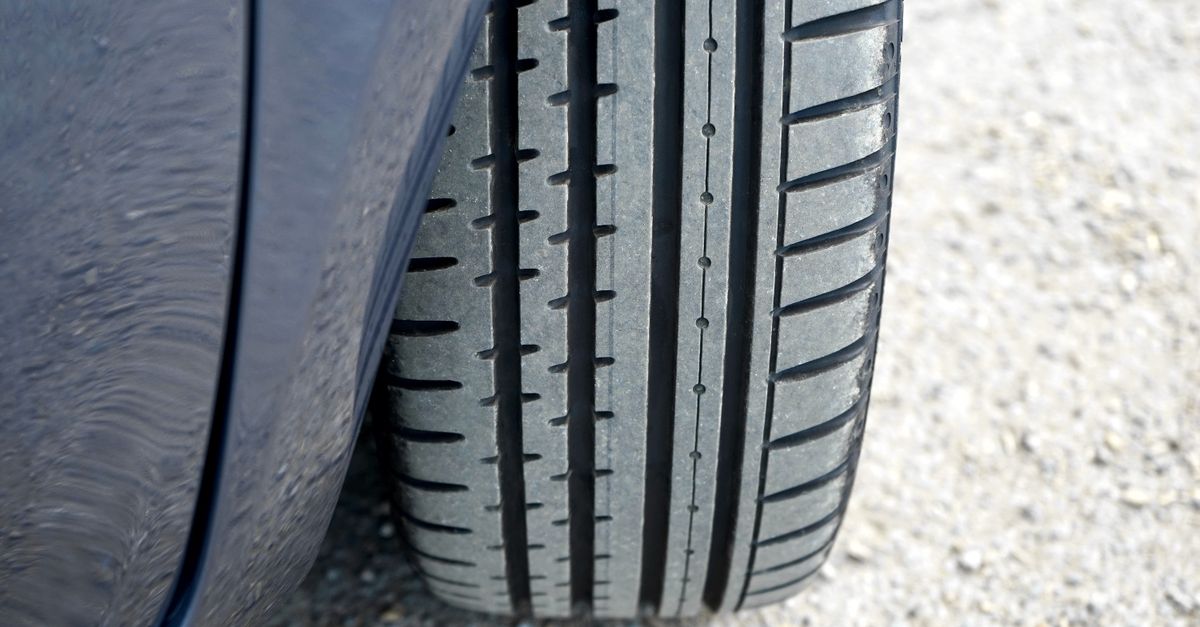
About to load the car for a long run and wondering if the tyres are “probably fine”? That guess can get expensive quickly, especially in wet weather or on a full motorway journey. Tread is the pattern of grooves that clears water from the road, while pressure is what lets the tyre carry weight properly without overheating or wearing out too soon.
Both matter more than many drivers realise. A tyre can look acceptable at a glance and still be underinflated, unevenly worn or damaged enough to affect braking, fuel use and stability.
Start with pressure
Check pressures when the tyres are cold, ideally before setting off or after only a very short drive. The correct figures are usually shown on a label inside the door shut, fuel flap or handbook, and they often differ for a lightly loaded car and one carrying passengers and luggage.
Too little pressure makes the tyre flex more, which builds heat and wears the shoulders faster. Too much can reduce the contact patch, make the ride harsher and wear the centre of the tread. Either way, grip suffers, and so does economy on a long trip.
This is also one of the quickest checks you can do yourself. Five minutes at a forecourt air line is usually enough for all four tyres, and it is worth checking the spare as well if the car still has one. If one tyre keeps dropping between top-ups, treat it as a fault rather than a habit; a slow puncture, leaking valve or rim problem is more likely than “cold weather”.
Read the tread
Good tread depth helps the tyre clear standing water. Once the grooves are getting shallow, the car is more likely to aquaplane, and stopping distances in heavy rain can increase noticeably even before a tyre is technically illegal.
Look across the full width of each tyre, not just the easy-to-see outer edge. If both shoulders are worn more than the middle, underinflation is a common cause. If the centre is more worn, overinflation is more likely. Wear on one side only can point to poor alignment, worn suspension parts or repeated kerb contact.
There is a practical limit to what a DIY check can tell you. If the tread feels feathered, the steering is off-centre, or the car pulls slightly on a straight road, a workshop alignment check makes more sense than simply inflating the tyres and hoping for the best.
Spot damage early
Long drives put heat into tyres, which makes hidden damage more risky. Before you leave, look for cuts, cracks, bulges in the sidewall and anything embedded in the tread. A screw may not cause an immediate flat, but it can turn into one halfway through the journey.
Sidewall damage is the one to take seriously. Unlike a simple puncture in the tread area, a bulge or split usually means the tyre’s internal structure has been weakened, and replacement is the safer answer. If you notice new vibration at speed, a thump-thump noise or a steering shimmy, stop and inspect rather than carrying on.
There is a cost angle here too. Catching uneven wear early may save a pair of tyres, while leaving it can mean replacing them much sooner and paying for alignment anyway. Roadside checks also tend to focus on obvious defects, and badly worn or damaged tyres can lead to penalties as well as safety problems.
Checklist
- Check cold pressures against the car’s load setting, not guesswork.
- Look at tread across the inside, centre and outside of each tyre.
- Inspect sidewalls for bulges, cuts and cracking, plus any nails or screws.
- Notice how the car feels: pulling, vibration or noise usually means more than normal wear.
If anything looks uneven, damaged or repeatedly low, book a tyre inspection before the trip. A basic workshop check often takes around 15–30 minutes and may cost little or nothing, while alignment takes longer and costs more, but both are cheaper than premature tyre replacement or a loss of grip when the weather turns.