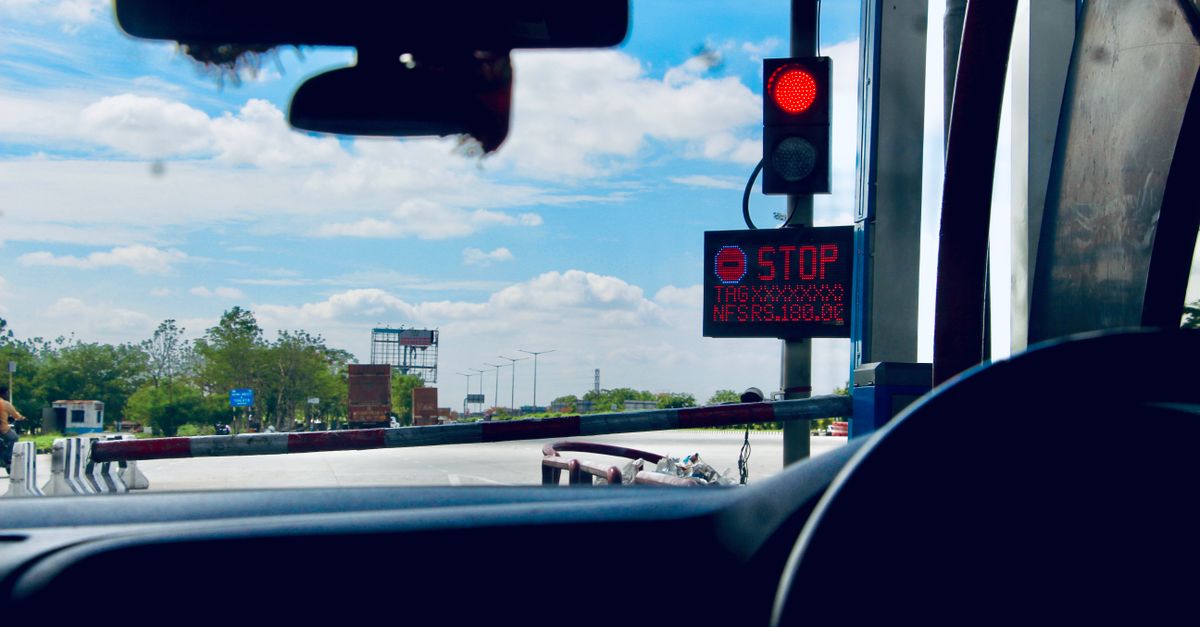
You follow the sat-nav into an unfamiliar city, pass under a gantry or through a tunnel, and think nothing of it. Weeks later a demand arrives for tolls, clean air charges and “administration fees” you did not know you owed. With cameras replacing barriers and booths, it is easier than ever to drift into chargeable zones without noticing.
Understand road and air charges
When driving in the UK or other European countries, the main costs to watch are conventional tolls for roads, bridges and tunnels, plus environmental charges linked to emissions. Both are increasingly automatic, with cameras reading number plates and checking whether a payment or exemption is in place.
Tolls may be pay-as-you-go, where you are charged each time you pass a gantry, or time-based “vignettes” that give access for a set period. Miss the payment window and a small toll can quickly grow into a penalty several times the original amount once fees are added. Clean air, low emission and congestion zones work on a similar principle: cleaner vehicles pay little or nothing, while older or higher-polluting ones pay more or are restricted from entering at certain times.
Check your vehicle status
The key detail for environmental zones is your car’s Euro emissions standard, such as Euro 4, Euro 5 or Euro 6. This describes how clean the engine is in official tests, not its size or performance, and many charging schemes use it to decide who pays and who is exempt.
As a loose rule, newer petrol cars tend to meet stricter standards earlier than diesels of the same age, and many schemes are tougher on older diesel models. If you are unsure where your car sits, check the logbook or the manufacturer’s information for your exact model and engine. With a hire car, do not assume that a small diesel will be accepted everywhere; ask which Euro standard it meets and, if there is a choice, consider a newer petrol or hybrid if you want to reduce the risk of extra fees.
Plan routes and payments
Most sat-nav systems and mapping services can flag toll roads and, increasingly, environmental zones, so it is worth checking your route settings before you set off. Sometimes paying a toll is cheaper overall than taking a long detour that uses more fuel and time, while in light traffic a toll-free alternative may only add a modest delay for a useful saving.
For clean air zones, look carefully at where you are staying and parking. A hotel or car park just inside a boundary can mean paying a daily charge each time you enter, even if you only drive a short distance. Where physical toll booths still exist, cash and cards are usually accepted, but many operators prefer contactless or pre-registered accounts. Free-flow systems using overhead cameras often expect you to pay online or at a machine within a set period, and time-based vignettes normally have to be bought before or very soon after joining a motorway. Entering an environmental zone without paying rarely leads to an immediate stop; instead, cameras log your plate and a notice is posted later, and rental companies commonly add their own handling fees on top of any fine.
Checklist
- Note your registration, fuel type and Euro standard before travelling.
- Check whether your planned routes involve toll roads, vignettes or emission-based charging zones.
- Decide in advance which key tolls you are willing to pay and set your navigation preferences accordingly.
- Buy any required vignettes or register for relevant payment systems before entering chargeable roads or zones.
- Keep screenshots or printouts of confirmations and receipts somewhere accessible in the car.
- With a hire car, ask how tolls and camera-based charges are handled and what fees may be added.
Spending a few minutes on this before you travel turns surprise bills into predictable costs. Build it into your trip planning so that, once you are on the move, you can focus on the road rather than the post you will face afterwards.