You fill up, drive as usual, and still wonder why the range seems to shrink faster than it should. Often the answer is much simpler than driving style or traffic: tyre pressure, which is just the amount of air inside the tyre, changes how hard the car has to work and how much rubber stays in proper contact with the road.
That matters every day, not just on long trips. Pressure that is too low can raise fuel use, wear the shoulders of the tread and make the car feel slower to react, while pressure that is too high can reduce comfort and leave you with less secure grip on rough or wet surfaces.
Why pressure matters
A tyre rolls by constantly flexing. When pressure is low, it flexes more, builds more heat and creates more rolling resistance, which is the force the engine has to overcome just to keep the car moving. In plain terms, the car uses more fuel to do the same job.
The penalty is not dramatic on every journey, but over weeks it adds up, especially if you do lots of motorway miles or carry passengers and luggage. Even being only a little below the carmaker’s recommended figure can be enough to nudge fuel use upward and shorten tyre life at the same time.
There is a grip side to this as well. Tyres are designed to work within a pressure window, so the shape of the contact patch, the part actually touching the road, stays predictable. Once the pressure drifts too far, braking, cornering and straight-line stability can all feel less settled.
When grip changes
Low pressure usually shows up first as vague steering, slower turn-in and a tyre that looks slightly squashed at the bottom. The car may also feel less stable in quick lane changes, and in heavy rain the extra tread movement can make the response feel woolly.
Too much pressure causes different problems. The centre of the tread can do more of the work, which may reduce grip on broken surfaces and increase wear down the middle. You can also notice a harsher ride, more noise and a tendency for the car to skip over pothole edges rather than settle.
Pressure also changes with temperature, so a tyre that was fine during a cold spell may read higher after warmer weather or a longer drive. That is why most advice refers to checking tyres cold, meaning before a journey or after the car has been parked for a while.
When DIY stops working
A quick pressure top-up is a simple driveway or forecourt job, but repeated losses are not normal. If one tyre drops more quickly than the others, suspect a slow puncture, a leaking valve or damage to the rim, and get it inspected rather than just inflating it again every few days.
The same applies if the steering pulls to one side, the tread wears unevenly, or the tyre-pressure warning system, often called TPMS, keeps returning after you have set the pressures correctly. At that point, the issue may be alignment, a sensor fault or hidden tyre damage.
Most drivers can do the basic check in under five minutes. A workshop pressure and tyre condition check is often free or low-cost, while a puncture inspection or alignment check usually takes somewhere between 15 and 40 minutes and costs a modest amount compared with replacing tyres early.
Checklist
- Check pressures monthly and before longer trips, using the car’s sticker figures rather than the tyre sidewall.
- Measure them when the tyres are cold, and adjust for extra load if the handbook or door sticker shows a second setting.
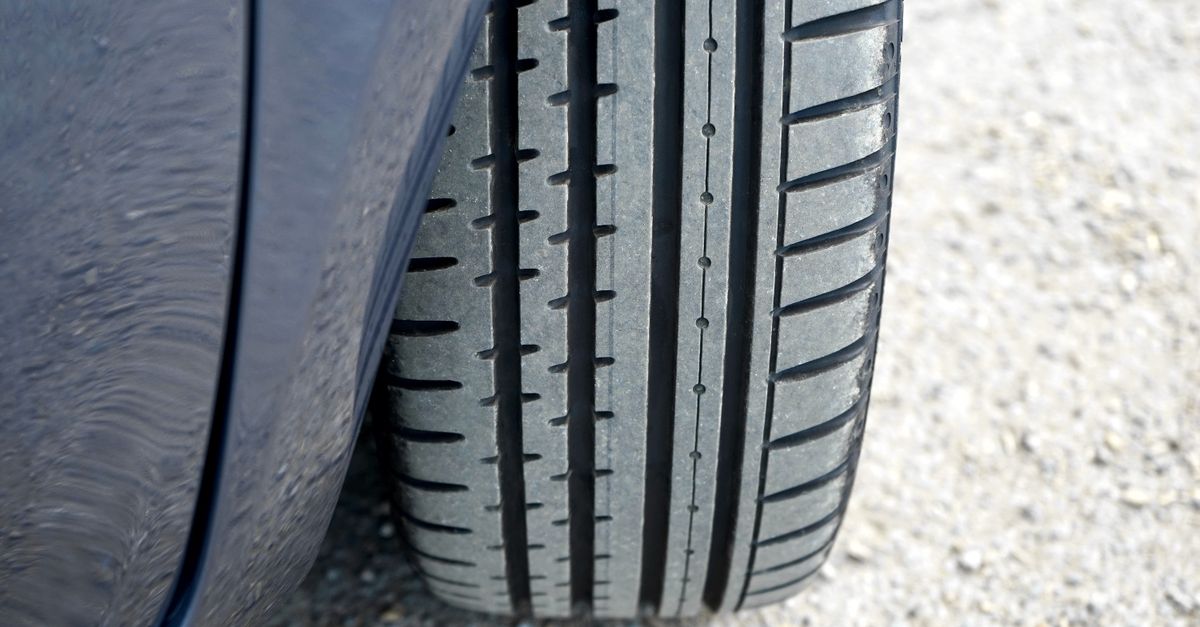
- Look at the tread across the full width; edge wear often points to underinflation, centre wear can suggest overinflation.
- Compare all four tyres by eye. One tyre sitting lower than the rest deserves a closer look even if the car still drives normally.
- After adjusting pressures, reset the TPMS if your car requires it, then watch for the warning coming back.
If fuel use has crept up or the car feels less sure-footed than it used to, tyre pressure is one of the fastest checks you can make. A few minutes once a month can save fuel, improve grip and help you catch a tyre problem before it turns into a bigger bill.