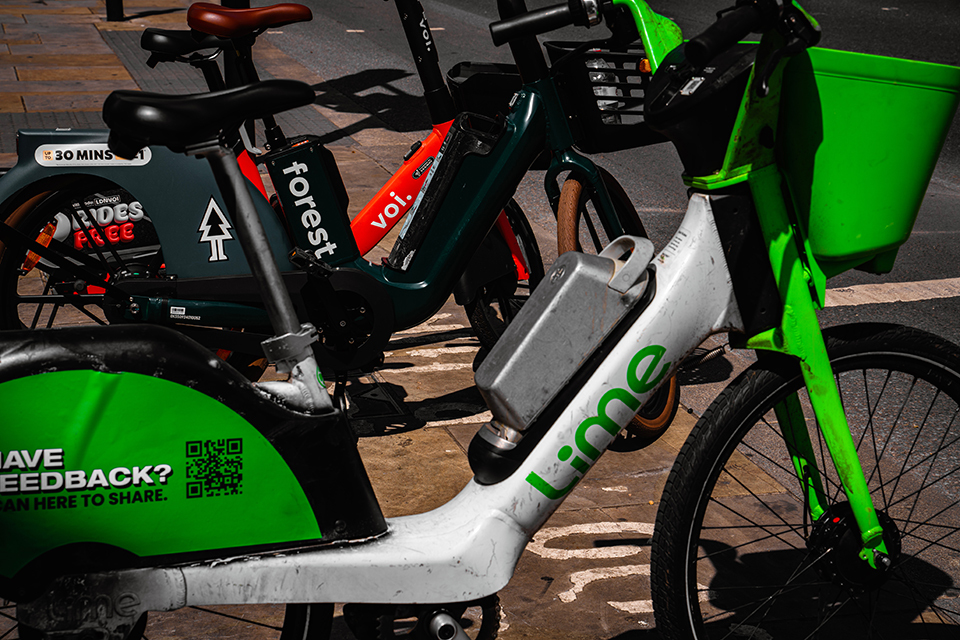
What could change when a shared e-bike is left across a pavement? The government is proposing scheme licences that would let local leaders authorise shared e-bike services in their areas and enforce minimum standards. Those standards would cover parking plans and rider behaviour, putting how shared schemes operate at the centre of the proposal.
Parking becomes a scheme standard
Proposed national standards for shared cycle schemes include parking plans intended to keep pavements clear. That makes parking part of the scheme’s operating requirements: the proposal links the management of parked bikes to standards that local leaders would have powers to enforce, rather than presenting clear pavements simply as an aspiration.
The distinction between national standards and local licensing matters. The national proposal sets out minimum expectations, while local leaders would licence schemes in their areas and enforce those standards. For people encountering parked shared bikes, the intended outcome is clear pavements; the parking plans are the proposed means of working towards that, not a guarantee that every pavement would remain unobstructed.
Behaviour plans could include fines
Parking is only part of the proposed framework. Behaviour plans would address riding shared cycles drunk, underage or on pavements, with consequences such as fines. These are specific behaviours identified in the proposal, rather than a general call for more considerate riding, and they would sit alongside parking requirements within the standards for shared schemes.
For someone hiring a shared e-bike, this is the part of the announcement most directly concerned with their conduct during a journey. However, the status remains important: the government is proposing behaviour plans with consequences such as fines. That should not be read as an announcement that a new fine has already taken effect, or that every behaviour listed would automatically attract the same consequence.
Fees and data remain consultation questions
The government is also consulting on whether local leaders should have powers to set fees and require operators to share data. These questions concern the relationship between local leaders and scheme operators, alongside the proposed ability to license services and enforce minimum standards. They form another part of how shared schemes could be overseen.
The wording here is narrower than a confirmed charging or data-sharing requirement: the consultation asks whether those powers should exist. For readers following the changes, it is worth keeping that question separate from the proposed parking and behaviour standards, while recognising that both belong to the same discussion about how shared cycle schemes should operate.
If you hire shared e-bikes, keep pavements clear when parking and pay attention to any changes announced to scheme conditions. For now, read this as a proposed licensing framework: its practical focus is parking and rider behaviour, while fee-setting and operator data-sharing powers are being consulted on.