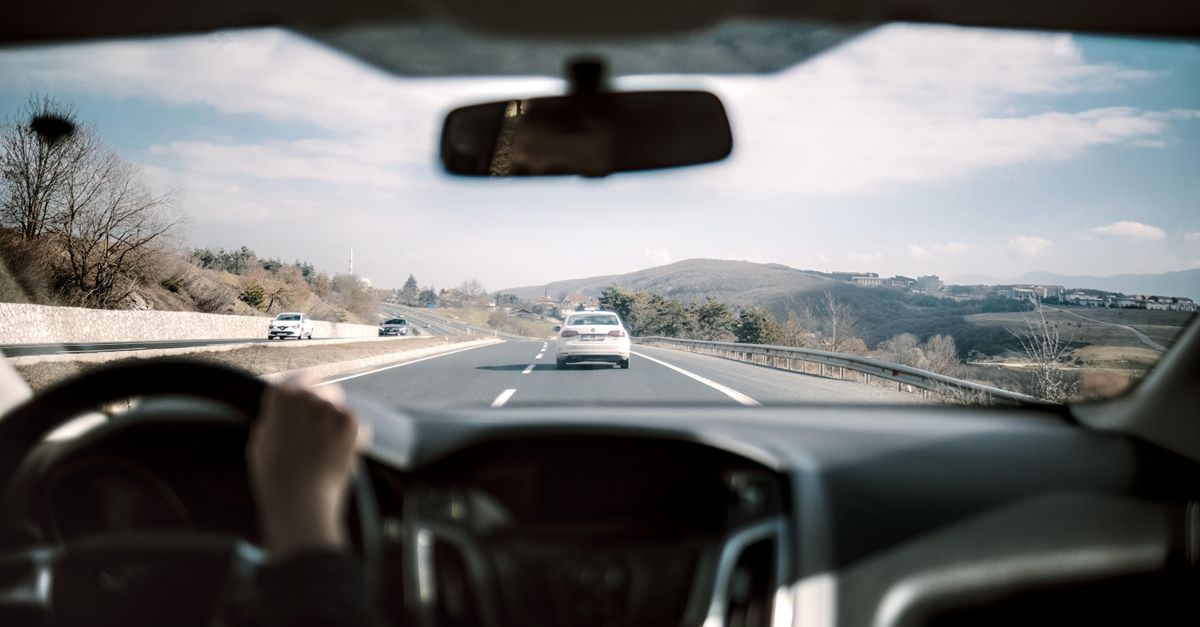
You park up with no warning lights showing, then come back to a car that barely cranks. The surprise is that the battery may not be “bad” at all: a dashcam’s parking mode can drain a healthy battery if it is set to stay active for too long. A dashcam is a small windscreen camera that records what happens around the car. Parking mode keeps it partly awake when the car is parked so it can save video if it detects movement or a bump.
Why a good battery loses
A healthy 12-volt battery still has limited reserve when the engine is off. If the car mainly does short trips, sits for days, or faces colder weather, it may never get fully topped up before the camera starts drawing power again overnight.
The setting that causes trouble most often is parking mode left on continuous recording, or motion-triggered recording with lots of wake-ups. If the camera reacts to every passer-by, headlight sweep, gust of rain or door slam nearby, it may spend far more time recording than sleeping.
The settings that bite
This is where setup matters more than many drivers realise. A hardwire kit usually includes a low-voltage cut-off, meant to switch the camera off before the battery gets too low, but if that threshold is set too low, or the timer is too long, the protection arrives too late.
- Continuous parking recording uses far more power than impact-only recording.
- High motion sensitivity can trigger constant false clips in busy streets or shared parking.
- A long timer, or no shut-off timer at all, can turn one night into many hours of drain.
- A low-voltage cut-off set too aggressively can protect footage time, not starting power.
Before you blame the battery
False alerts are a big part of the problem. Trees moving, reflections, heavy rain and passing traffic can all fool motion detection, and a badly placed camera can make vibration sensing worse. If the camera has a “buffered” mode that is supposed to save a few seconds before an event, check that it is not repeatedly waking and writing clips for harmless triggers.
There is also a setup caution worth taking seriously: not every hardwire installation is equally smart. If the camera is connected to a permanent live feed without a proper cut-off module, or the battery type setting is wrong where one is offered, even a new battery can be left too weak to start the car after a weekend.
If your car struggles after being parked, test the simplest thing first: switch parking mode off for a few nights and see whether the problem disappears. If it does, review the timer, sensitivity and voltage cut-off before replacing the battery, because the fault is often in the camera’s settings, not the battery itself.