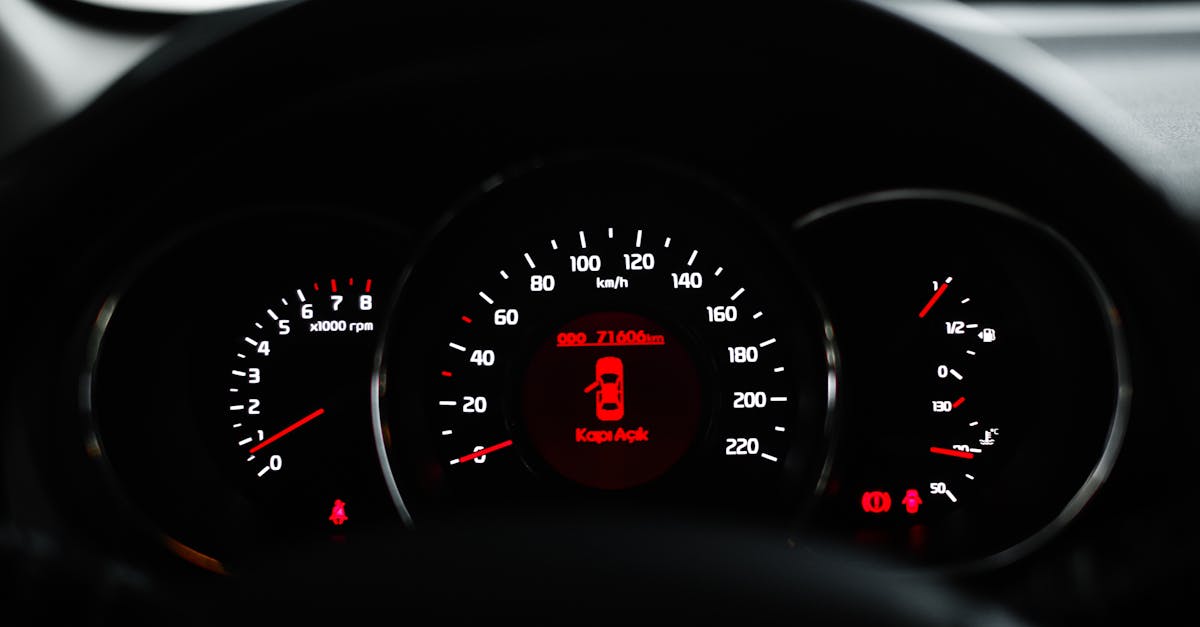
That amber engine-shaped icon is easy to shrug off when the car still starts, idles, and gets you to work. The costly mistake is assuming “it drives fine” means “it’s safe to wait,” because a steady check-engine light can turn a minor fault into a much bigger repair. In simple terms, it’s the car’s general engine-and-emissions warning. It comes on when the computer detects a problem it can’t ignore.
Why it gets expensive
Drivers often delay because the light feels vague, and sometimes it is. A loose fuel cap can trigger it, but so can a misfire from a worn spark plug or failing ignition coil, and that kind of fault can overheat the catalytic converter, one of the pricier parts in the exhaust.
Other common causes, like a bad oxygen sensor, vacuum leak, or stuck thermostat, may not strand you today. What they do is raise fuel use, make the engine run poorly, and add wear in the background. That’s why the real error isn’t the light itself; it’s treating uncertainty as reassurance.
When driving turns risky
A steady check-engine light usually means you can move the car carefully, but it should be diagnosed soon rather than folded into next month’s to-do list. Avoid hard acceleration, heavy loads, and long highway runs until you know whether the fault is minor or the start of something more serious.
If the light flashes, or the car shakes, smells strongly of fuel, loses power, or starts running hot, stop as soon as it’s safe. A flashing light often points to an active misfire, and continuing to drive can damage the catalytic converter in a surprisingly short time.
The cheapest next step
Start with the simple stuff: make sure the fuel cap is tight, notice whether the engine feels rough, and pay attention to any new noises or smells. Then get the fault codes read with an OBD (onboard diagnostics) scan, ideally before more warning lights join in.
One caution: clearing the light without fixing the cause can make the problem harder to trace if it returns. If the light comes back after a restart, or never went away in the first place, treat that as the car asking for diagnosis now, not later.
The best response is not panic, but prompt action. With this warning light, a quick check is usually far cheaper than waiting for a small engine fault to become a repair bill you can’t ignore.