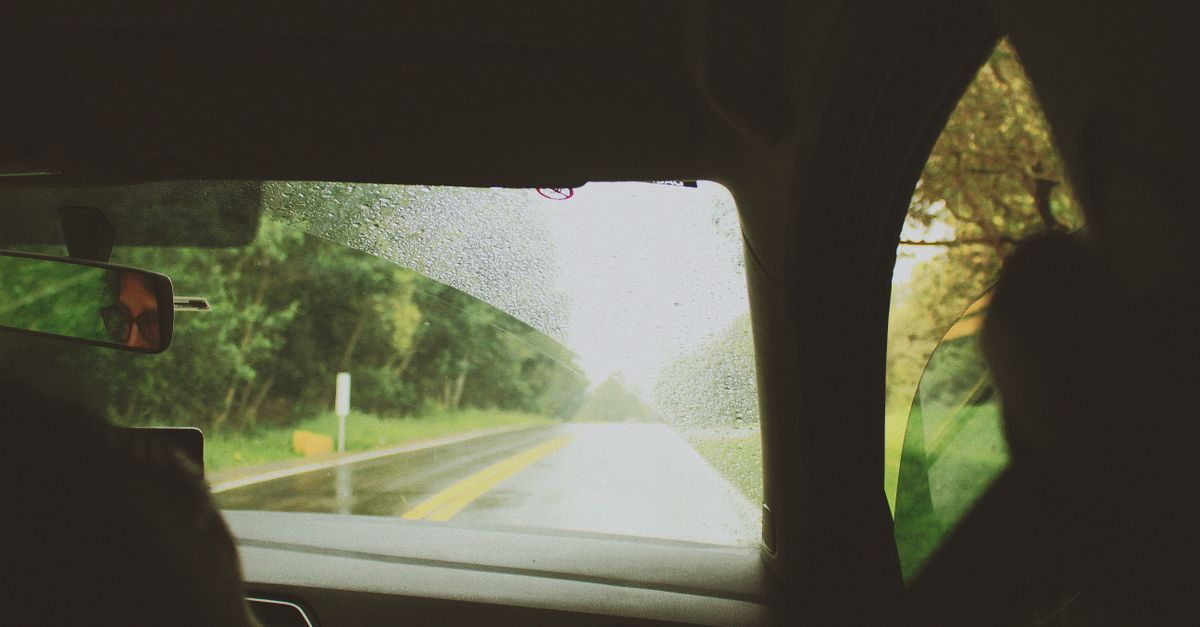
A windshield can appear clear in shade but become much harder to see through when strong summer sunlight strikes it. Worn wiper rubber can spread washer fluid, dust, and road residue into a thin film, scattering light across the glass instead of clearing the driver’s view. The effect can be most noticeable just when the glass needs to be cleared.
Why Summer Wear Matters
Heat, ultraviolet exposure, and prolonged contact with hot glass can harden or distort a blade’s flexible wiping edge. As the edge loses flexibility or shape, it may stop sitting firmly and evenly against the windshield. The blade can still move across the glass, but its contact is no longer consistent enough to lift fluid and contamination away cleanly.
Dust, pollen, insects, and oily road film can also collect around the rubber. When the washers are used or a sudden shower wets the windshield, a worn edge may drag that material across the driver’s view. Instead of one obvious obstruction, the result may be multiple streaks, cloudy arcs, or missed areas that remain after each pass.
How Glare Reveals Smears
Fine smears can be difficult to see under even light, which is why a windshield may look acceptable before the direction of the sun changes. Driving toward a low sun reveals the problem: residue scatters brightness across the glass and reduces contrast in the scene ahead. Pedestrians, lane markings, and stopped traffic can become harder to distinguish, even though the windshield does not appear heavily soiled.
Persistent streaking or missed patches are the clearest warnings, but squeaking, chatter, and juddering also point to poor contact. Cracks, splits, and rounded wiping edges indicate wear, although glare-related smearing may appear before the rubber looks badly damaged. Judge performance as well as appearance: a serviceable blade should clear washer fluid without leaving a film and should maintain firm, even contact throughout its sweep.
Restore a Clear Sweep
Park the vehicle and switch off the wipers before inspecting them. Clean the windshield thoroughly with a suitable automotive glass cleaner, because residue on the glass can contribute to the same thin film that glare exposes. Then wipe each rubber edge gently with a damp cloth, removing grit and residue without pulling, twisting, or distorting the blade. Test the wipers afterward using windshield-washer fluid and watch the entire swept area. If smearing, chatter, or incomplete clearing remains, replacement is the sensible next step because cleaning cannot restore rubber that has hardened, torn, or lost its shape. Confirm that the replacement is the correct fit for the vehicle and sits evenly against the glass.
Avoid operating the wipers over a dry, dusty windshield, and keep the washer reservoir filled. Address early streaking before the next bright drive or summer shower, while the vehicle is safely parked.