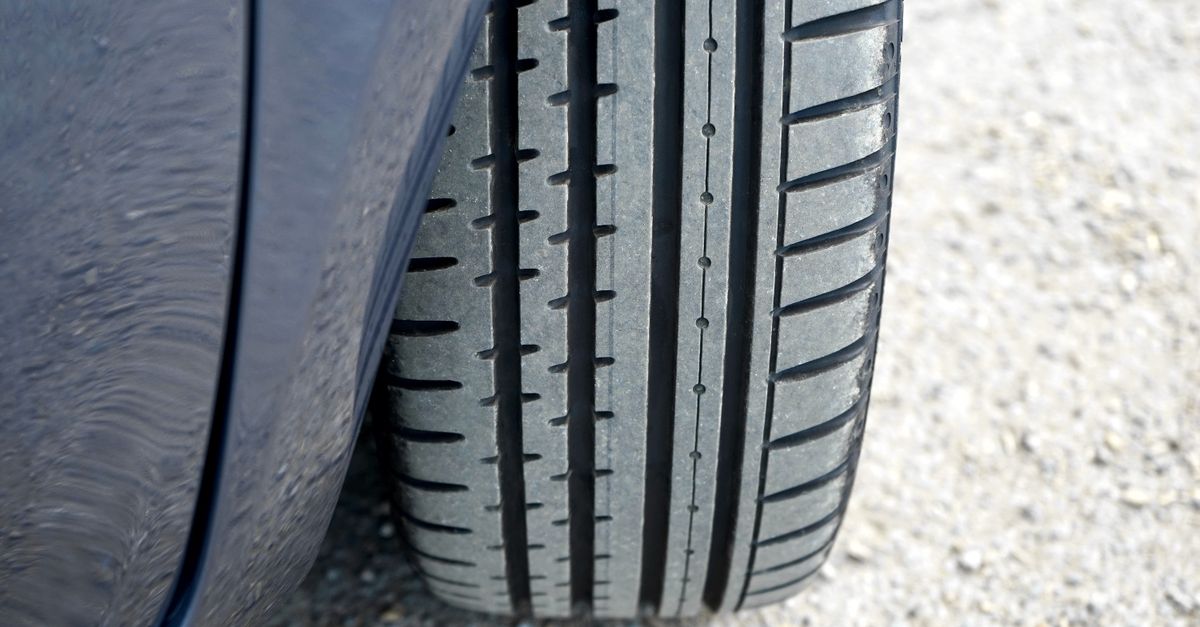
If your tires seem to disappear faster than expected, the usual response is to pump them up harder and hope for better mileage. That can backfire. The real goal is even wear: a tire that rolls freely, keeps its full contact patch on the road, and does not scrub itself away every time you brake, corner, or hit a pothole.
Done properly, reducing tire wear and protecting fuel economy usually come from the same basics. Low pressure, bad alignment, and rough driving all make the engine work harder while shortening tire life.
Start with pressure
Tire pressure is the quickest check with the biggest payoff. Underinflated tires flex more, run hotter, wear the shoulders, and add rolling resistance, which means worse fuel economy as well as shorter life.
Overinflating is not the answer. It can reduce grip, make the ride harsher, and wear the center of the tread faster, especially on long highway runs. Use the vehicle’s door-jamb recommendation when the tires are cold, not the higher maximum printed on the tire sidewall.
If your car has TPMS (dashboard tire-pressure warning system), treat it as a backup, not a maintenance plan. A manual check once a month and before a long trip takes about five minutes and usually costs little or nothing.
Read the wear pattern
Tires often tell you what is wrong before the car does. Wear on both outer edges usually points to low pressure. Wear down the middle can mean too much pressure. Heavy wear on one inner or outer edge often suggests alignment trouble, while a sawtooth feel across the tread can indicate suspension wear or a rotation problem.
This is where DIY has limits. If the steering wheel sits slightly off-center, the car pulls on a flat road, or you feel a steady vibration at speed, it is worth booking an inspection. A rotation normally takes around half an hour; an alignment check and adjustment often takes about an hour, with pricing ranging from a modest service charge to low three figures depending on the vehicle and shop.
Rotation matters because front and rear tires rarely wear at the same rate, especially on front-wheel-drive cars and heavier EVs. If you mostly do short trips, curb impacts and parking maneuvers can be as hard on tires as highway miles. If you do long highway drives, small alignment errors can quietly eat a tire over time.
Drive more smoothly
The cheapest way to slow tire wear is to cut down on scrubbing. Hard launches, late braking, fast roundabout entries, and turning the wheel while the car is stationary all grind away tread. They also waste fuel because the car is constantly shedding speed and rebuilding it.
Gentler inputs help both sides of the equation. Leave a little more space, brake earlier, and unwind steering smoothly as you exit a corner. On rough streets or broken pavement, slow down enough to avoid sharp impacts, because one hard hit can knock alignment out without leaving obvious damage.
Weight and drag matter too. Extra cargo makes tires work harder, and unnecessary roof accessories can raise fuel use. Keeping the trunk clear and removing unused external carriers helps mileage without asking the tires to carry more than they need to.
Checklist
- Check cold tire pressure once a month and before road trips.
- Look across each tread for edge wear, center wear, cuts, bulges, or exposed cords.
- Run a hand lightly across the tread; a feathered, uneven feel can point to alignment or suspension issues.
- Notice changes in pull, vibration, or an off-center steering wheel after potholes or curb strikes.
- Rotate tires at the interval in the owner’s manual, or sooner if wear rates look uneven.
If you want tires to last without paying for it at the pump, focus on even wear rather than chasing a hard, overinflated setup. Five minutes with a gauge and a quick look at the tread can prevent the more expensive fixes later.