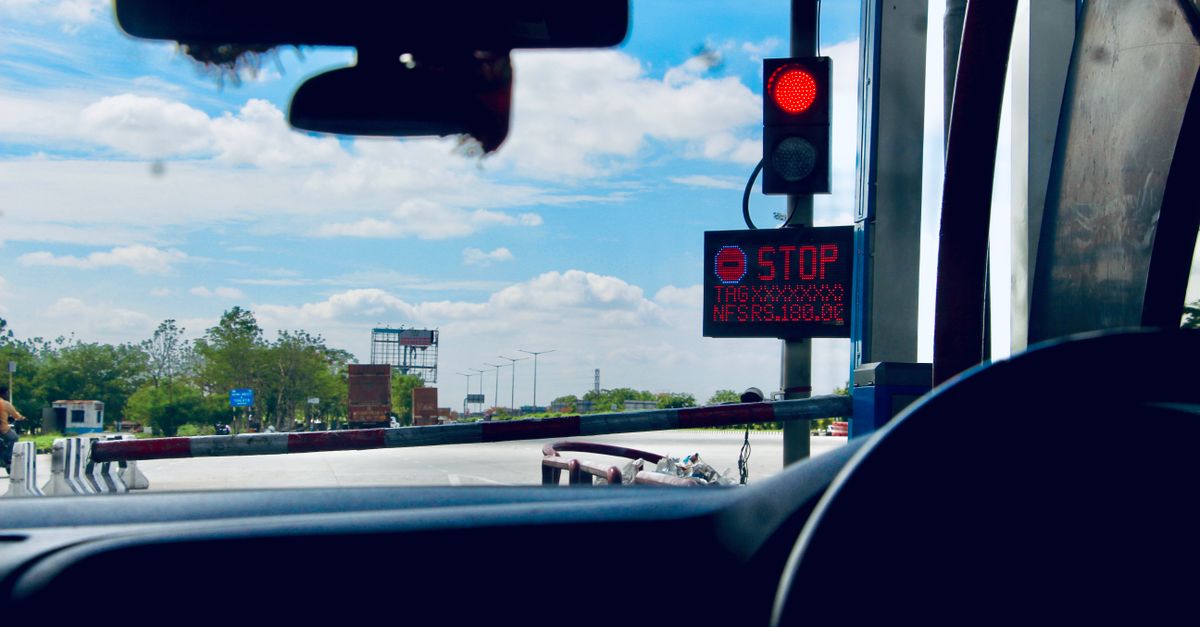
You get home from a weekend drive, then a toll bill or parking notice shows up long after the trip. The surprise is not just the original charge: late fees and processing add-ons can turn a small miss into an annoying expense. Cashless tolling means cameras read your license plate instead of taking cash at a booth, and many parking lots now use the same kind of plate scan with entry and exit timestamps.
Where drivers slip
The most common toll mistake is assuming “no booth” means “nothing to do.” On many roads, bridges, and express lanes, using the facility without a working transponder (electronic toll tag) or a matching plate on the account can trigger a bill by mail later, sometimes with extra handling charges if the first payment is missed.
Parking catches people differently. A lot may look simple, but enforcement often checks the plate number, zone, and paid time rather than whether a receipt is sitting on the dash. A very common mistake is paying for the wrong plate, entering one digit incorrectly, or selecting the wrong lot or zone even though money was paid.
How notices happen
That is why quick assumptions are expensive on road trips. Myth: if you were only there a few minutes, or you left the toll road quickly, the system will ignore it. Reality: camera-based enforcement usually matches plate reads and payment records after the fact, so short stays and short segments can still produce a notice if the record does not line up.
Parking also trips people up because the clock may run from entry to exit, not from the moment you settle into a space. And on toll accounts, old card details, low balance, or a replacement vehicle that was never added can all create “unpaid” trips even for drivers who thought they were fully set up.
Checklist
- Before leaving, make sure the toll tag account has the right plate and a valid payment method.
- At each paid lot, check whether it is pay-by-plate, pay-and-display, or time-limited parking.
- Double-check the plate number and zone before confirming payment.
- Keep a photo or screenshot of the sign and payment confirmation until the trip is over.
- Review toll and parking charges soon after the trip, while details are still easy to verify.
The safest habit is simple: treat tolls and parking as systems that rely on matching records, not on good intentions. A one-minute check before you drive away is usually enough to prevent the most common road-trip ticket surprises.