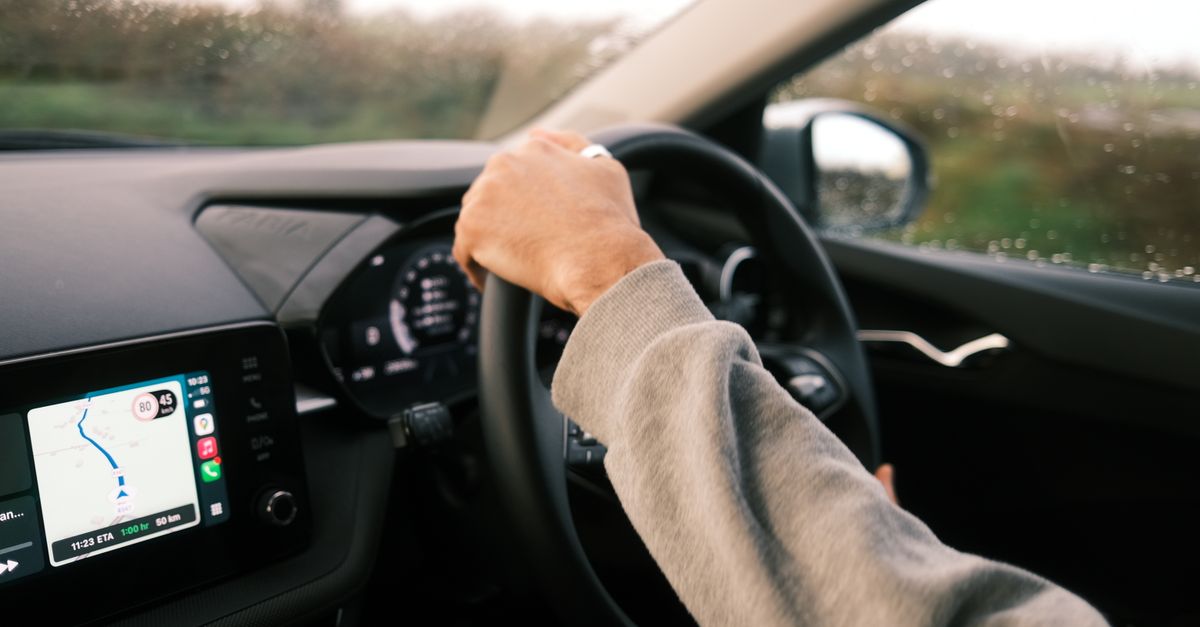
You set the cruise, the steering nudges you back between the lines, and the car quietly brakes when traffic slows. It feels like the car is doing most of the work, which is exactly when unsafe habits can creep in. Modern driver assistance systems (ADAS, advanced driver-assistance systems) use cameras, radar, and software to help with tasks like braking or keeping in lane. They are designed to support an attentive driver, not replace one.
Know what it really does
Start by knowing which systems your car actually has. Common ones include adaptive cruise control (ACC, cruise that automatically adjusts distance), lane keeping assist (gentle steering corrections), blind spot monitoring, and automatic emergency braking.
Each one has limits. Cameras can struggle with low sun, heavy rain, snow or dirty lenses. Lane systems often “lose” faded markings, sharp curves or temporary road layouts, and radar can misjudge stopped vehicles after a curve or hill.
A quick skim of the owner’s manual or an in-car menu is worth five minutes. Look for what speed ranges each system works in, when it switches itself off, and what warning symbols or sounds it uses when it’s confused.
Habits that turn risky
The biggest risk is mental “autopilot.” When ACC and lane centering are active, it’s tempting to relax, stare at the infotainment screen, or scroll your phone. Reaction time still matters: at 65 mph you travel about the length of a football field every second, and the car cannot cheat physics if something sudden happens.
Relying only on blind spot lights is another trap. Sensors may not catch fast‑approaching bikes, narrow vehicles or someone cutting across lanes. Treat them as a backup to proper mirror use and a quick shoulder check, not the other way around.
Following distance is a quieter problem. Many drivers select the shortest time gap in traffic so no one “cuts in,” but that leaves almost no room for error. If the car in front slams on its brakes or swerves around debris, your system may not react in time, especially on wet or worn pavement.
Finally, do not let assistance normalize speeding. Automatic emergency braking is meant as a last safety net, not a way to “push it” on fast roads. Higher speed means much longer stopping distances and harder impacts, even if the system partly slows you down.
Use tech to drive better
Used well, assistance can actually sharpen your driving. Let lane keeping remind you when you drift because you’re tired or distracted, then treat the warning as a cue to take a break, not just as an annoying beep to ignore.
With ACC, set a speed that fits conditions, not just the limit. In rain, darkness, heavy traffic or work zones, drop the set speed and lengthen the gap to the next car; most systems offer several time‑gap settings, so use the larger ones at highway speeds.
Keep your hands gently on the wheel, even if the car seems happy on its own. Many systems will nag you if you let go anyway, but the real reason is that you need to feel the road surface, crosswinds and tire grip — things cameras cannot fully judge.
Look after the hardware too. Keep windshields, badges and bumpers (where sensors live) reasonably clean, and after a windshield replacement or minor front‑end bump, ask if the ADAS sensors need recalibration. That procedure can cost a few hundred dollars, but driving with mis-aimed sensors is worse value than not using them at all.
Checklist
- On a quiet road, try each system separately first (braking, cruise, lane assist) to learn its behavior.
- Set a generous following distance on ACC, especially above 50 mph and in bad weather.
- Keep hands on the wheel and eyes up; use chimes and warnings as prompts, not permission to zone out.
- Always check mirrors and over your shoulder, even with blind spot monitoring and rear cross-traffic alerts.
- If a feature confuses or annoys you, adjust its settings rather than ignoring or fighting it.
Driver assistance is at its best when it quietly supports good habits, not when it masks bad ones. Treat it as an extra set of eyes and hands, and you keep the most important safety system — the one behind the wheel — fully in charge.