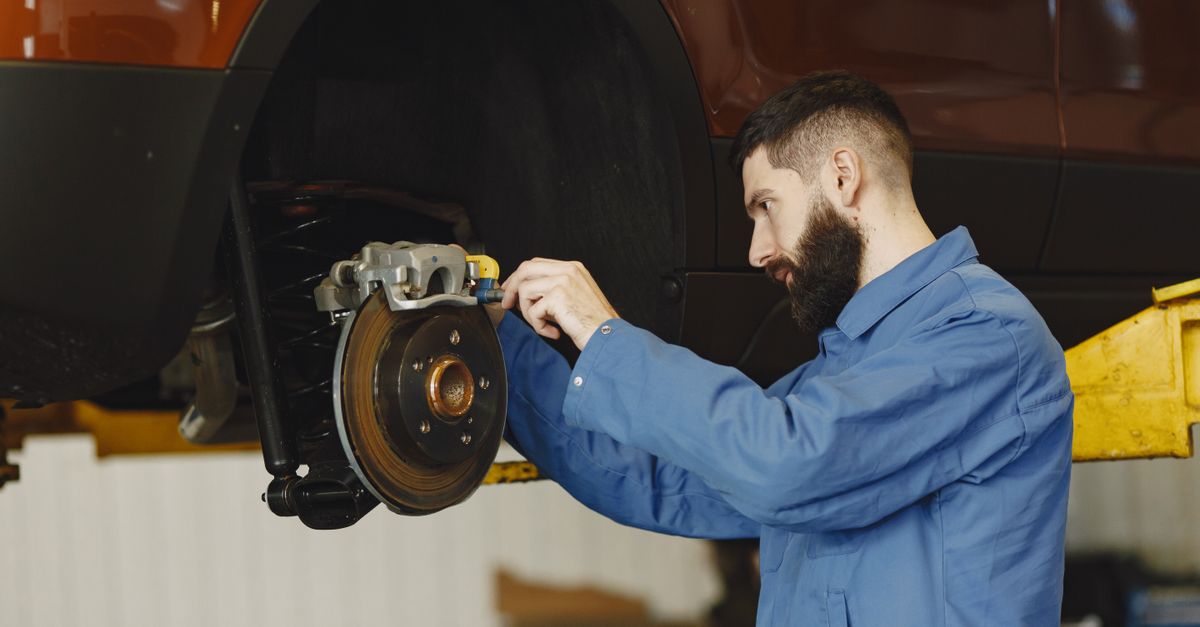
You hear a light squeal pulling into a parking spot, then it disappears, so it’s easy to ignore. That’s how brake pad wear often starts: small signs, no drama, and then a routine service turns into rotors, hardware and a much bigger bill.
Brake pads are the friction material that presses against the brake rotors to slow the car. As they wear down, stopping distances can grow, heat builds faster, and metal parts can start damaging each other.
Early clues drivers miss
The classic warning sign is a high-pitched squeal during gentle braking, especially at low speed. Many pads have a small wear indicator that makes this noise on purpose, but drivers often assume it’s just damp weather, road grit or surface rust after the car has been sitting.
Pedal feel can change too. If the brake pedal feels firmer than usual, pulses underfoot, or the car needs a little more pressure to stop smoothly, the pads may be unevenly worn or the rotors may already be marked.
Then there’s the sound that should never be ignored: grinding. At that point, the friction material may be gone and the metal backing plate can start cutting into the rotor. What could have been a pad job alone can quickly become pads, rotors and extra labour.
Why costs jump fast
Brake wear is not just about mileage. Heavy stop-and-go driving, frequent short trips, hills, towing, winter grime and a car that sits for long periods can all speed it up. In Canada, road salt and moisture can also leave slide pins or caliper hardware sticking, which makes one pad wear much faster than the other.
That’s why a brake service interval can vary so much. Some drivers may get many tens of thousands of kilometres from a set of pads, while others can wear them out far sooner. If you mostly commute in traffic or carry extra weight, assume the shorter end of the range rather than the longer one.
There’s also a modern twist. On some vehicles, the rear brakes can wear sooner than expected because stability and traction systems use them frequently in the background. Hybrids and EVs with regenerative braking (motor slows the car) may hide normal wear longer, so noise or rust-related issues can show up before drivers expect them.
When DIY stops making sense
A quick look through the wheel spokes can help, but it only tells part of the story. Outer pads may still look acceptable while the inner pad, hidden from view, is nearly finished because the caliper is not sliding properly.
If you notice grinding, a brake warning light, strong vibration, pulling to one side, or a hot smell after a normal drive, it’s time for a proper inspection rather than driveway guesswork. The same applies if the vehicle has an electronic parking brake, since some systems need a service mode before rear brake work is done safely.
In most shops, a brake inspection is usually a short job, often well under half an hour. Replacing pads alone is commonly under an hour per axle, while pads and rotors can take longer and move the bill from the low hundreds into a much higher range, depending on the vehicle and what else is worn.
Checklist
- Look through the wheel spokes: if the pad material appears very thin, book an inspection soon.
- Listen with the window down at low speed: repeated squealing during light braking is an early warning, even if it comes and goes.
- Do one safe, moderate stop on a quiet road: if the car pulls, shakes or the pedal pulses, don’t leave it for the next oil change.
- After a normal drive, notice any burnt smell or one wheel much dirtier than the others; that can point to a sticking brake.
The cheapest brake repair is usually the one done before noise turns into damage. If any of these signs sound familiar, a basic inspection now is far easier than paying for extra parts later.