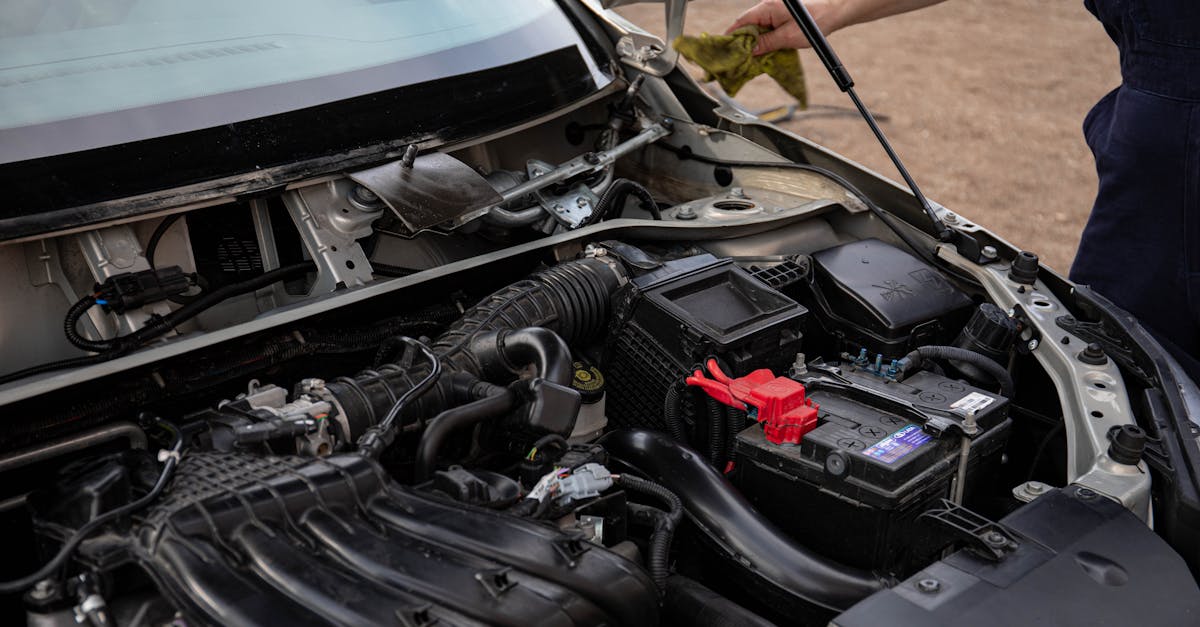
That used electric car shows a full battery, so why might its first longer drive disappoint? A battery-health check estimates how much energy the main driving battery can still store, helping expose wear that could mean more charging stops or an expensive repair. It looks beyond today’s charge percentage to assess the battery’s condition.
Full charge, hidden capacity
A full charge means the battery has reached its current limit, not that it retains its original capacity. The dashboard’s range estimate is not proof either: recent gentle driving can make it look generous, while sustained highway speeds, hot weather and air-conditioning use can bring it down. Reduced capacity does not automatically mean the battery needs replacing, but it can make an apparently affordable car a poor fit for your driving.
Ask for the battery evidence
Before paying a deposit, ask for a recent battery-health report tied to the vehicle, ideally assessed by an independent specialist familiar with that model. Find out whether the result comes from the car’s own software or a more detailed capacity test; methods vary, so percentages from different reports may not be directly comparable. Ask whether the inspection also checks for battery faults and damage beneath the car.
A reassuring capacity figure cannot rule out every fault, and a test drive alone cannot establish battery health. Check the remaining battery warranty against the vehicle’s identity and service records, including transfer conditions and what deterioration it actually covers. Ordinary capacity loss may not qualify for a claim; if the report flags a problem, get a written repair estimate rather than assuming a complete battery replacement is necessary.
Will it suit your charging?
The report becomes useful when you match it to your routine. A car with some capacity loss may still cover daily commuting comfortably with home charging, yet require inconvenient public charging if you cannot plug in overnight. For a regular long trip, plan using realistic highway consumption and available chargers, leaving a reserve rather than treating the dashboard’s predicted range as a target to reach.
If rapid charging matters, arrange a charging demonstration where practical, but remember that battery temperature, charge level and the charger itself affect speed. A slow session is not automatically evidence of damage. Ask about previous charging habits without treating frequent rapid charging as proof of poor health; heat exposure and battery management also matter. For future care, follow the model’s recommended everyday charge limit and avoid leaving it fully charged in heat unnecessarily.
If the seller cannot provide credible battery evidence, make an independent assessment a condition of purchase. The right question is not simply whether the car charges to full, but whether its verified capacity and likely charging costs suit the journeys you actually make.