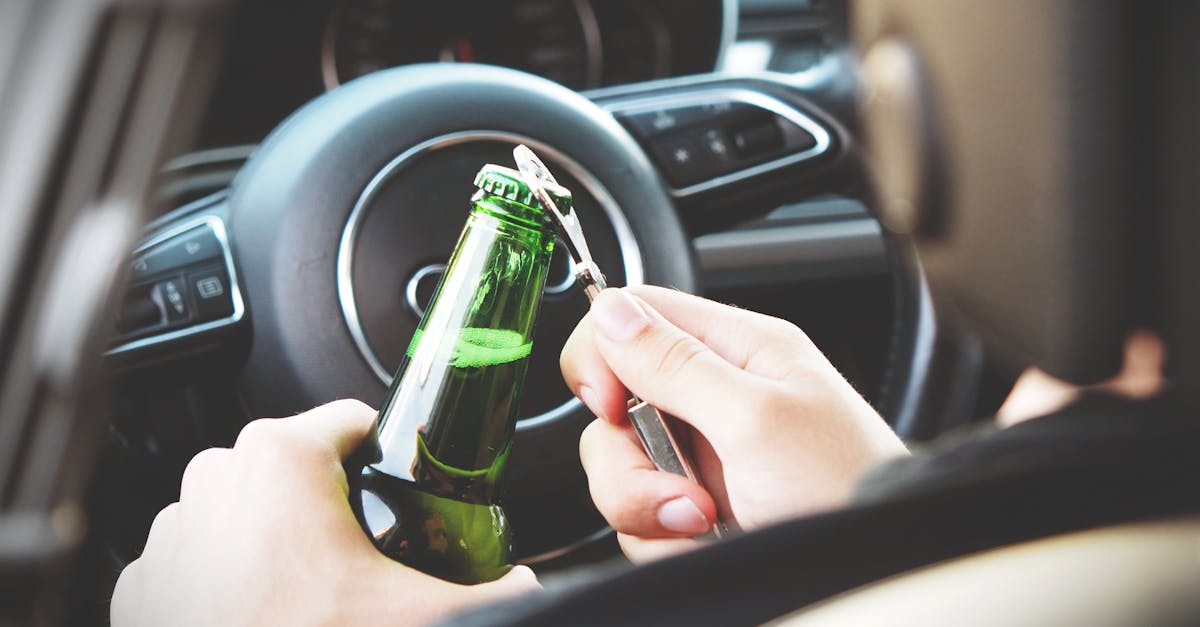
You finish a long shift, throw your bag in the boot and think, “I’ll just push through, it’s only a few hours.” Australia’s latest national road safety push says that if you wouldn’t drive after a few drinks, you shouldn’t drive when you’re that tired either. Fatigue might not show up on a breathalyser, but it can quietly erode your reactions, judgement and lane-keeping in much the same way.
The message lands as long weekends bring heavier traffic and tougher enforcement on key routes. In some states, double demerits apply for speeding, mobile phone, drink and drug driving and seatbelt offences, meaning one mistake can suddenly cost you most of your points as well as a hefty fine.
Fatigue now a key focus
While police can’t “see” fatigue like a blood alcohol reading, crash investigations regularly point to tiredness as a major factor on long, monotonous roads. Research has linked being awake for long periods with impairment similar to driving over the legal drink-driving limit, especially at night or after shift work.
At the same time, safety cameras are expanding their role. These roadside and overhead units automatically spot speeding, mobile use and incorrect or missing seatbelts, then issue fines without a patrol car needing to pull you over. In at least one state, all camera revenue is channelled into a road trauma trust fund, so fines are earmarked for road safety projects rather than general revenue.
More than just speeding
The current campaigns tie tired driving to other risky behaviour that is easier to detect. A fatigued driver is more likely to drift a few kilometres per hour over the limit, reach for a phone out of boredom, or forget to check that rear passengers have buckled up properly.
Legally, the driver is responsible for every passenger wearing a correctly adjusted seatbelt, in every seat, on every trip. Modern cameras can detect unbelted occupants in the back row, so the “it’s only a quick ride” excuse now risks both a fine and points, on top of much higher injury risks in a crash.
Spotting when you’re too tired
Unlike alcohol, there’s no simple number that says you’re fit to drive. You need to watch for changes in how you feel and how the car is moving.
-
Struggling to keep your eyes open or focus on road signs
-
Missing turns, exits or simple directions you’d normally nail
-
Drifting in your lane, “wobbling” on curves or hitting rumble strips
-
Speed constantly wandering up and down without you noticing
-
Not remembering the last few kilometres you’ve driven
If any of that sounds familiar, you’re already in the danger zone. On high-speed roads, even a momentary micro-sleep carries you a long distance effectively blind, giving you no chance to react to a stopped car or sudden lane change ahead.
Plan trips to stay alert
Campaigns are also pairing the warning with practical tools, especially around schools. New “smiley face” speed indicator signs are being rolled out in about 100 high‑risk school zones; they show your speed with an instant happy or sad face to nudge you back under the limit. They are a reminder that school runs often happen when parents are tired and rushed, which is exactly when concentration slips.
To keep yourself out of trouble on long weekends and late-night drives, start with sleep. Aim to be properly rested before a long trip rather than leaving straight after a full day of work or socialising, and share the driving if you can so no one is behind the wheel for too long at a stretch.
Plan regular breaks, at least every couple of hours, where you get out of the car, walk, hydrate and eat something light instead of relying on sugar hits. Caffeine, loud music or winding down the window can make you feel more awake for a short time, but they do not restore your actual alertness.
If you reach the point where you are fighting sleep, the safest option is to stop and get proper rest, even if it means arriving late or changing plans. Treat that decision with the same seriousness as handing over your keys after drinking: your licence, your wallet and everyone in the car depend on it.