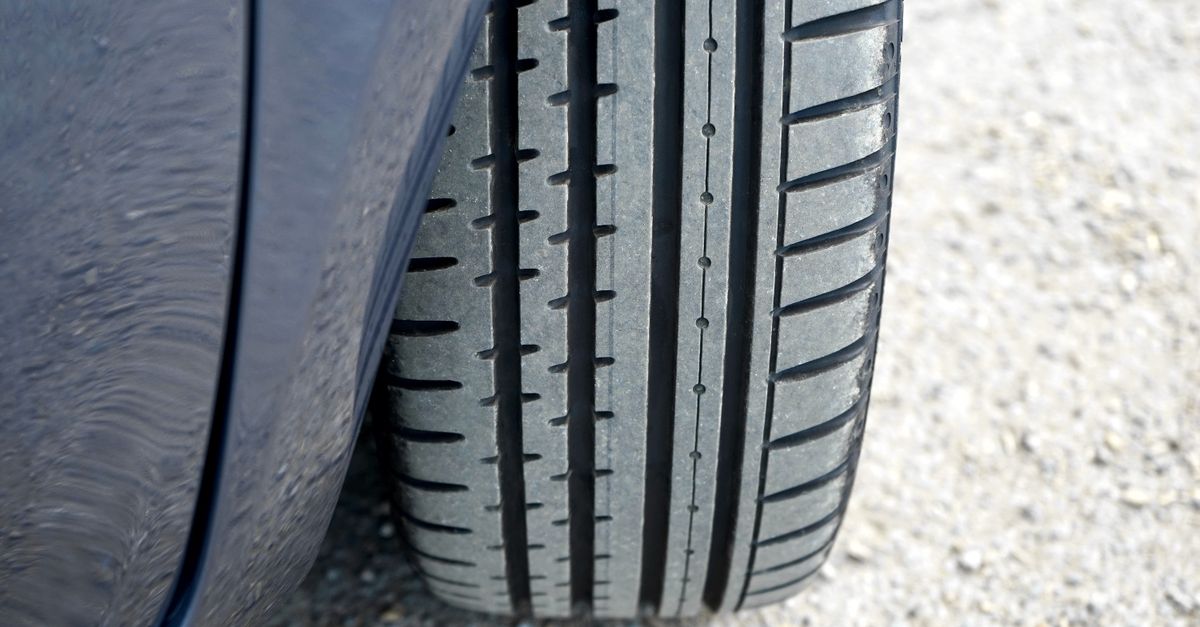
If the car feels a bit heavier to roll in the morning, or the fuel gauge seems to drop faster than usual, tyre pressure is worth checking before blaming traffic or the engine. Even slightly low tyres increase rolling resistance (the drag created as a tyre flexes), so the car uses more fuel, the tread wears faster and the tyre runs hotter.
Why it adds up
A tyre that is modestly underinflated can lift fuel use by a few per cent, and the penalty usually grows on faster roads or with a full load. The engine has to work harder because more of the tyre is squashing against the road every time it turns.
That extra flex also changes how the tread wears. Instead of wearing evenly across the face, the outer shoulders often scrub away first, which can bring tyre replacement forward much sooner than expected. Hotter tyres also leave you with less margin in wet weather and during hard braking.
Common causes and signs
Most low-pressure problems are mundane: a slow puncture, a leaking valve, a small rim leak after a kerb strike, or simple temperature changes between seasons. If your car has TPMS (tyre-pressure monitoring system), treat the warning as an early heads-up, not something to clear and forget.
Even without a warning light, the clues are fairly familiar: heavier steering at low speed, the car feeling less settled in bends, and one tyre looking flatter than the others after parking overnight. Check pressures about once a month, and always before a long trip, towing, or carrying a heavy load.
Checklist
- Check pressures when the tyres are cold, using the placard figures on the car, not the maximum printed on the tyre sidewall.
- Look across the tread for more wear on both outer edges than in the centre; that often points to running low.
- Give each tyre a quick visual check for nails, cuts, bulges or a valve cap that has gone missing.
- If one tyre needs topping up again within days, assume there is a leak and book it in.
When DIY ends
Adding air takes about five minutes and is often free or low-cost at home or a service station. A workshop pressure test or puncture repair is usually a small job done within half an hour, but persistent pressure loss, sidewall damage, vibration or uneven wear needs professional inspection because the cause may be a damaged tyre, wheel or alignment issue.
Check pressures regularly and correct them early. That small monthly task saves fuel, slows wear and gives the tyre less chance to overheat when the trip gets long or the weather turns hot.