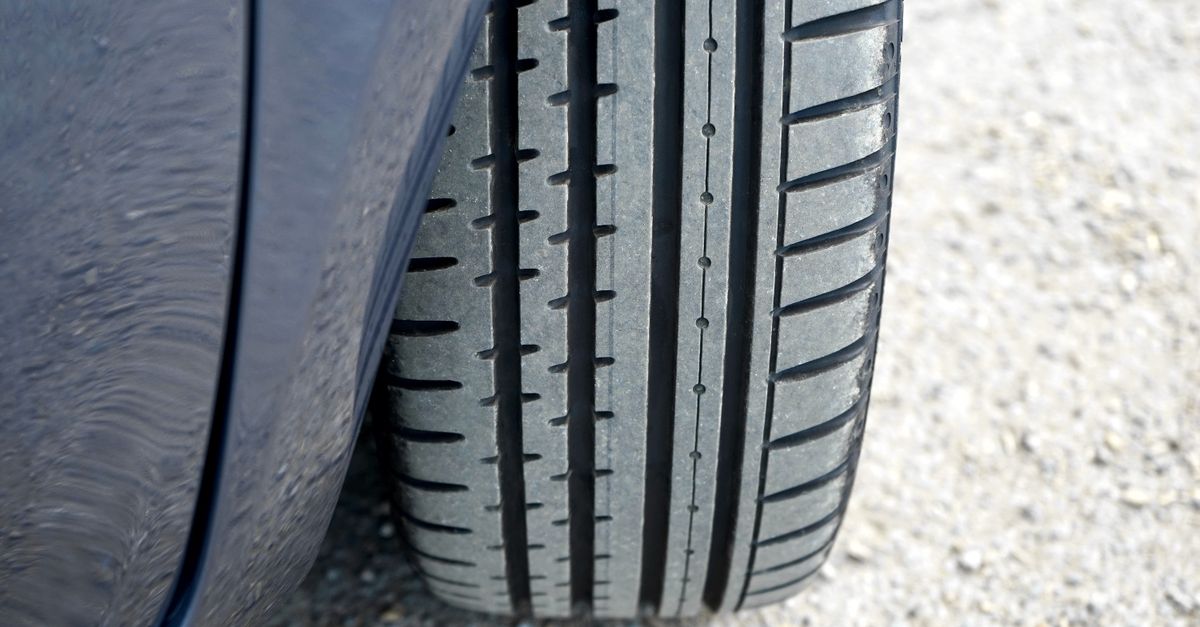
The car feels a bit heavier to steer, fuel use seems worse, and one tyre looks a touch low at the servo. That small drop in pressure can quietly cost money every week, and it can also change how the car brakes, corners and rides. If the tyre-pressure warning appears, that is the tyre pressure monitoring system (dashboard pressure alert). It warns that one or more tyres may be below target, but it cannot tell you whether the cause is a cold morning, a slow leak or damage.
Where the money goes
Low tyre pressure increases rolling resistance, which is the effort needed to keep the tyre moving along the road. In simple terms, the engine has to work harder, so fuel use creeps up. Even a modest drop can add a few per cent to consumption, especially if you spend a lot of time on the highway or carry passengers and luggage.
The second cost is tyre wear. An underinflated tyre flexes more, builds more heat and often wears faster on the outer edges of the tread. That means you may replace tyres earlier than expected, and if the wear becomes uneven, the car can also need an alignment check before a fresh set goes on.
There is a knock-on effect too. A tyre that keeps losing pressure may have a nail in it, a leaking valve, bead damage where it seals to the wheel, or a bent rim after a pothole or kerb strike. Topping it up every few days is cheap at first, but repeated refills usually mean a bigger issue is being postponed.
What changes on road
As pressure drops, the tyre’s shape changes and the contact patch can become less stable. The car may feel slower to respond, less settled in quick lane changes and less precise in wet weather. On a taller SUV or dual-cab, that vague feeling can be even more noticeable.
Braking can suffer as well. More tyre flex means more heat, and heat is the enemy of tyre durability, particularly on long runs in warm conditions. In the worst cases, very low pressure raises the risk of tyre failure, which is why a visibly low tyre should never be ignored before a trip.
This is also where DIY stops making sense. If a tyre loses pressure again within days, shows a cut, bulge, exposed cords or unusual shoulder wear, it needs a proper inspection. The same applies if the steering pulls to one side or the wheel vibrates after you have corrected the pressure, because the problem may be damage, alignment or suspension rather than air loss alone.
Checklist
- Check pressures when the tyres are cold, ideally once a month and before a longer drive. Use the vehicle placard pressure, not the number moulded on the tyre sidewall.
- Look at the tread shoulders and sidewalls. Uneven outer-edge wear, cracks, bulges or a screw or nail are clear warning signs.
- Compare all four tyres visually. One tyre that looks lower than the others, or one corner of the car sitting slightly down, is worth investigating straight away.
- Allow five minutes for a pressure check and top-up at a service station, usually free or for a small fee. A workshop leak test or puncture repair often takes well under an hour, while replacing worn tyres and correcting alignment is a far larger cost.
For most drivers, the cheapest fix is simply catching the problem early. A quick monthly pressure check, plus a closer look after potholes, kerb hits or sudden temperature swings, can save fuel, extend tyre life and reduce the risk of an avoidable roadside stop.